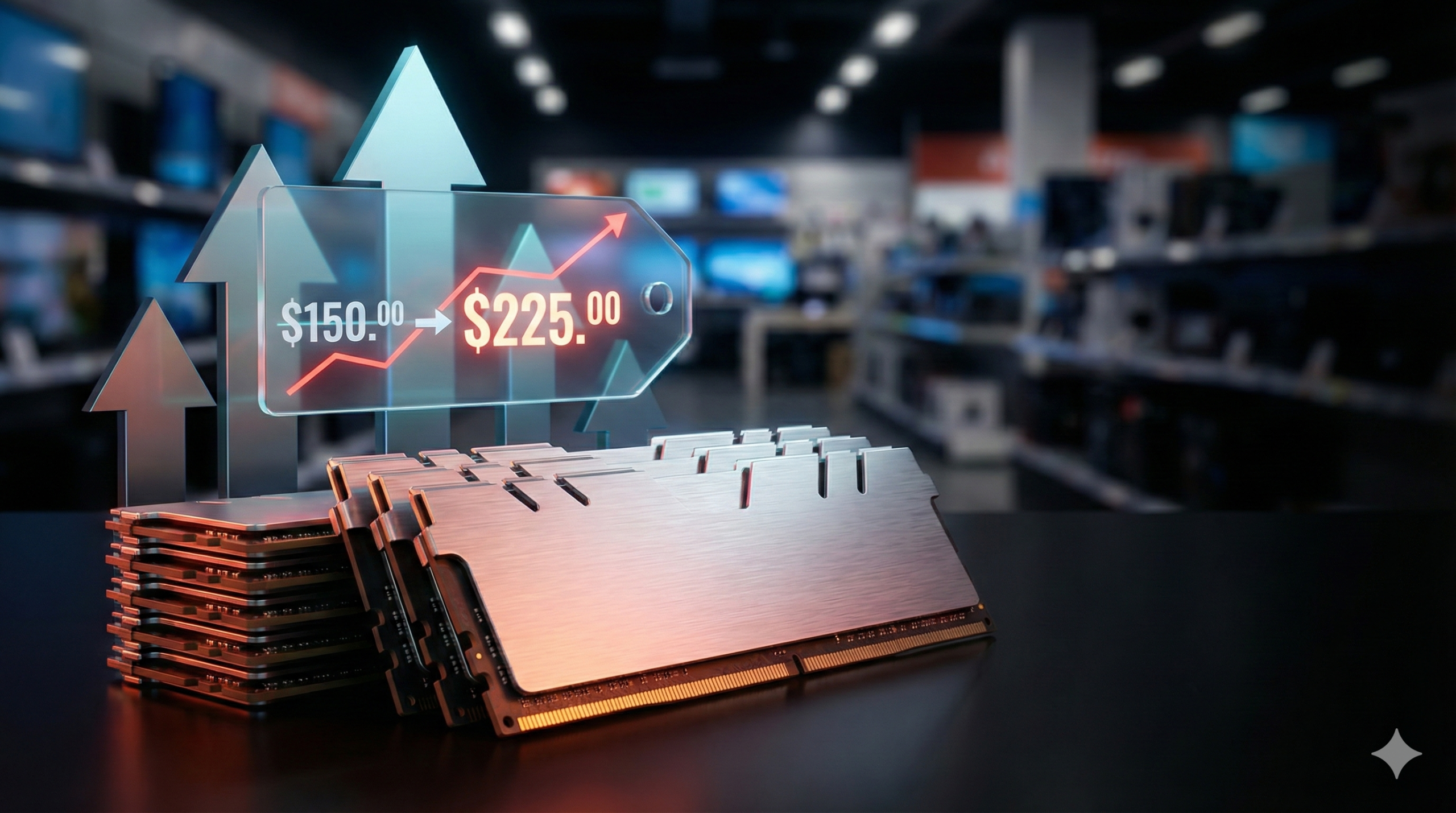
Over the past few weeks, RAM prices have climbed faster than most buyers expected, catching PC builders, gamers, and businesses off guard. Components that were considered affordable just months ago are now noticeably more expensive, forcing many consumers to rethink upgrade plans or delay new builds altogether.
This shift marks a sharp reversal after a long period of declining memory costs and signals a deeper change in how the global memory market is behaving.
From Oversupply to Tight Control: What Changed?
For much of the last year, manufacturers struggled with excess inventory. Too much production and weaker-than-expected demand pushed RAM prices to multi-year lows, hurting profitability across the industry. To stabilize the situation, major memory producers reduced output, slowed expansion, and focused on clearing stock.
That strategy worked—perhaps faster than anticipated. Once inventories normalized, supply tightened rapidly, and prices began moving upward almost simultaneously across regions.
AI Infrastructure Is Absorbing Massive Memory Supply
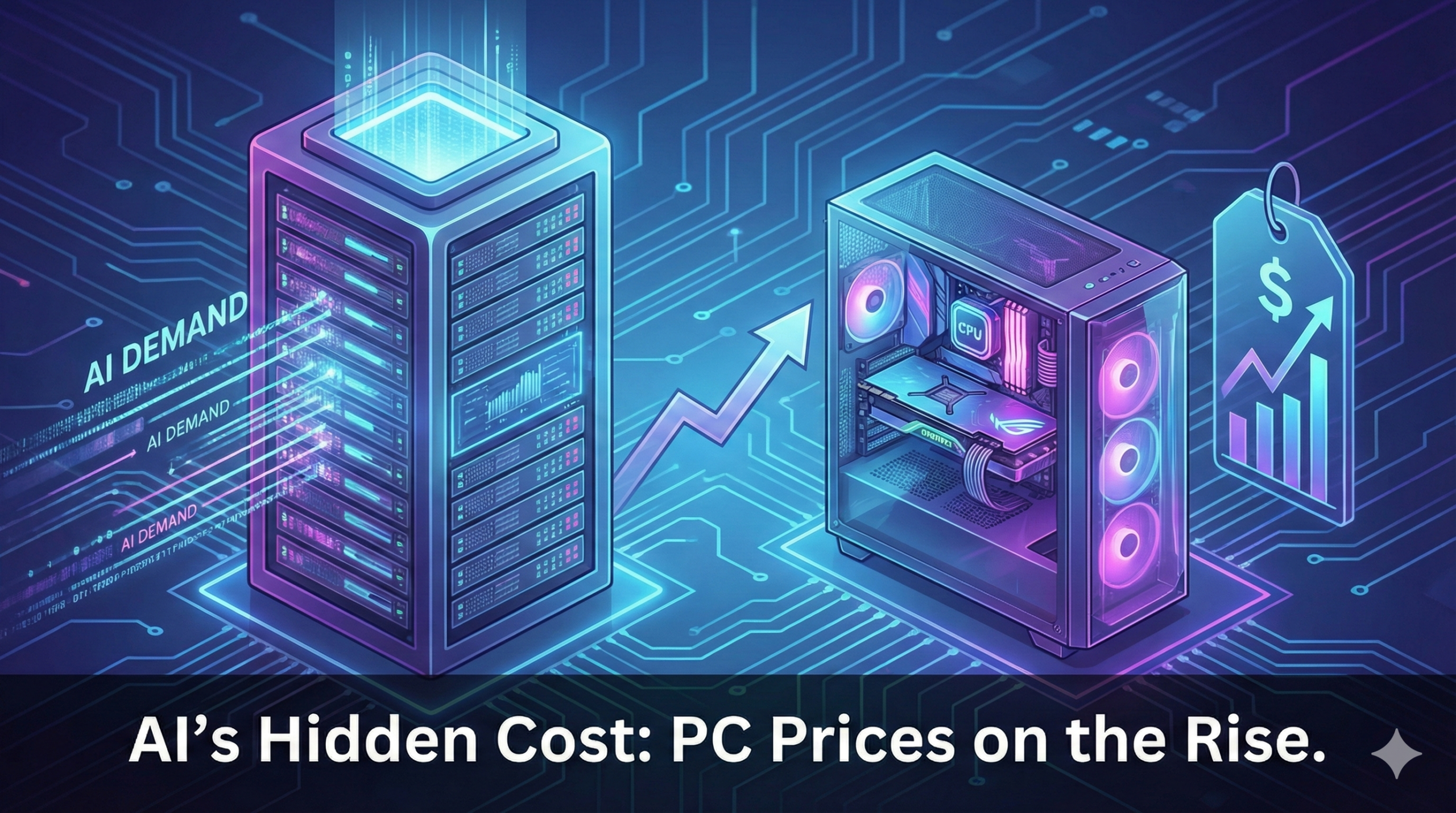
One of the strongest forces behind rising RAM prices is the explosive growth of artificial intelligence infrastructure. Data centers powering AI training and inference workloads require enormous memory capacity, often prioritizing high-speed modules over consumer-grade products.
Manufacturers now allocate a significant portion of production to enterprise contracts, leaving less flexibility for retail distribution. Even without a spike in consumer demand, this shift alone puts upward pressure on pricing.
The DDR4 to DDR5 Transition Adds Unexpected Stress
The ongoing transition between memory generations has also influenced RAM prices in a surprising way. While newer platforms favor DDR5, many manufacturers are scaling back DDR4 production faster than demand is fading.
This overlap has created supply gaps where older memory no longer benefits from mass production efficiency, while newer memory hasn’t yet reached full affordability, squeezing both ends of the market.
Currency Fluctuations Are Amplifying the Increase
In many countries, the rise in RAM prices feels sharper due to currency depreciation against the US dollar. Since memory components are globally traded, even stable wholesale rates can translate into higher local retail costs.
Added logistics expenses, insurance premiums, and import duties further magnify the impact, especially in price-sensitive markets.
OEM Stockpiling Is Quietly Tightening Supply
Large PC and laptop manufacturers are responding cautiously to past shortages by securing memory supply well in advance. This behind-the-scenes stockpiling reduces open-market availability, indirectly contributing to higher RAM prices at retail.
Popular capacities are affected first, as OEM demand often overlaps with consumer preferences.
Is the Market Being Manipulated?
Some buyers wonder whether the surge in RAM prices is artificial. Analysts largely disagree. Instead, they point to disciplined supply management after years of volatility. Manufacturers are prioritizing sustainability over aggressive price competition, aiming to avoid another damaging oversupply cycle.
This approach stabilizes the industry but keeps prices elevated.
How Long Will Higher Pricing Last?
Forecasts suggest RAM prices may remain firm for the next two to three quarters. Relief would require a combination of expanded production, slower enterprise demand, and inventory buildup—none of which appear imminent.
A return to the extreme lows of the previous cycle seems unlikely in the near term.
What This Means for Consumers
For everyday users, the rise in RAM prices makes timing more important than ever. Experts recommend buying only when upgrades are genuinely needed rather than reacting to short-term fluctuations.
Monitoring price trends over weeks instead of days can still reveal brief dips, even in an upward market.
Businesses Face a Different Reality
Enterprises and professionals often can’t delay upgrades. For them, higher RAM prices become a cost of operational certainty rather than an avoidable expense. This sustained demand from the business side continues to influence overall market behavior.
A Structural Shift, Not a Temporary Spike
Ultimately, the recent movement in RAM prices reflects a broader transformation. Memory is no longer driven mainly by consumer PCs—it’s now a core resource for AI, cloud computing, and data-heavy workloads.
As long as those sectors expand, memory pricing will remain sensitive, strategic, and less predictable than before.
FAQs
- Why have memory module costs increased so quickly?
The increase is mainly driven by reduced production, higher demand from data centers and AI infrastructure, and manufacturers prioritizing profitability over oversupply. - Is this increase temporary or long term?
Current indicators suggest pricing may remain elevated for several months, especially until production capacity expands or enterprise demand slows down. - Should consumers delay upgrading their PCs?
If an upgrade is not urgent, waiting and tracking weekly price movements can help. However, users with failing or insufficient memory may not benefit from delaying. - Are older memory types affected more than newer ones?
Yes. Older generations face limited production while demand still exists, which has pushed their availability down and pricing up faster than expected. - Will laptop and prebuilt PC prices also rise?
In many cases, yes. Manufacturers often pass increased component costs to end consumers, especially in mid-range and performance-focused models.
Also Read
- Sudden Spike in RAM prices Shakes the PC Hardware Market
- How to Detect AI-Generated Images and Videos: A Practical Guide for Everyday Users
- How AI Server Demand Is Silently Affecting Consumer PC Component Prices
- Why AI Tools Are Making Some People Less Productive (And How to Avoid It)
- How to Check Phone Health Before Buying Refurbished or Exchanging a Device