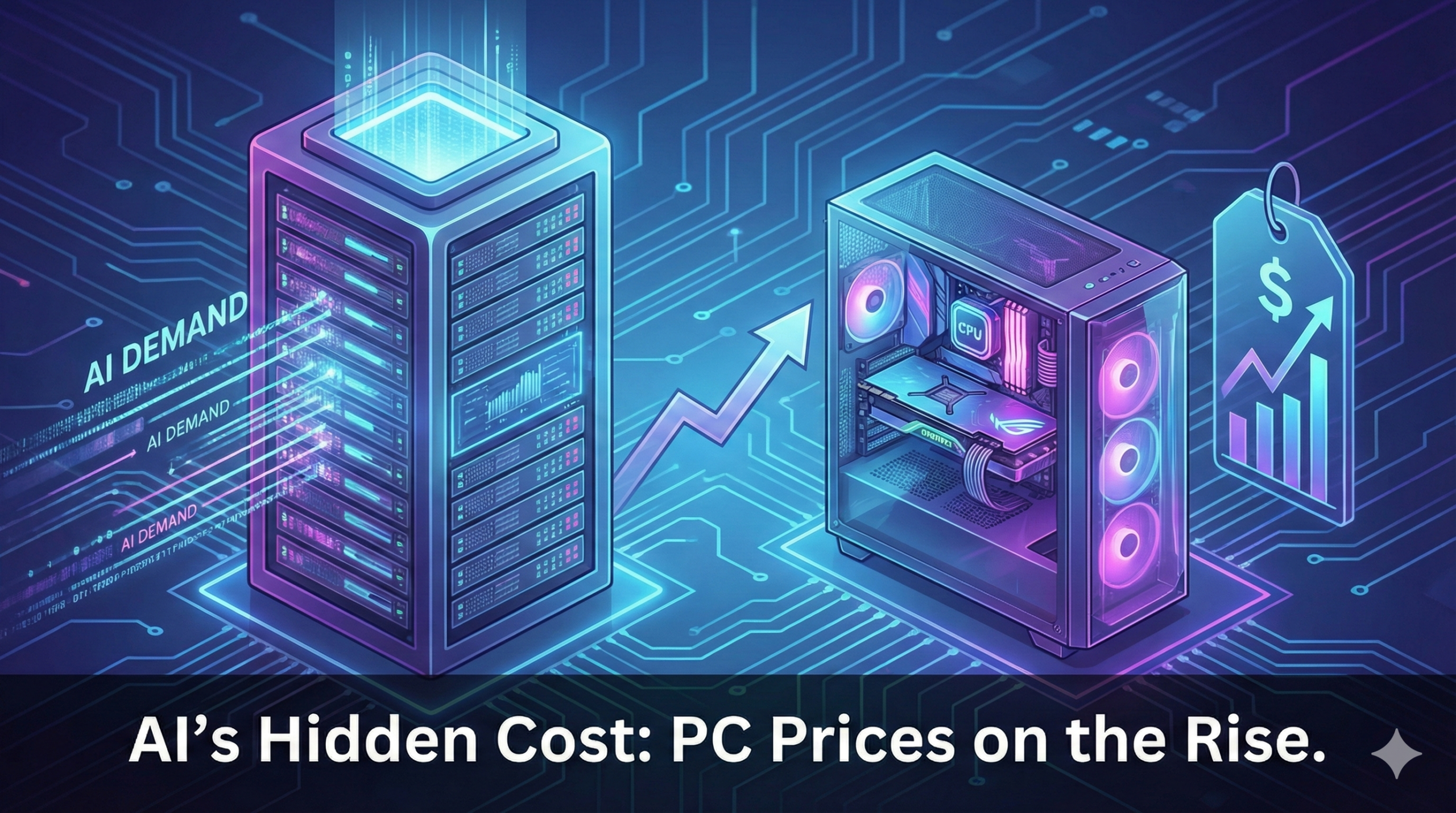
If you’ve recently searched for PC components and felt something was off—slightly higher prices, limited stock, or sudden jumps that don’t seem to follow normal seasonal patterns—you’re not imagining it. While consumer demand looks relatively stable, a much bigger force is reshaping the hardware market behind the scenes: AI server demand.
Unlike past price spikes driven by gamers or crypto miners, this shift is quieter, more structural, and harder for everyday buyers to notice until it’s already affecting their wallets.
The invisible buyer dominating the supply chain
Over the past two years, AI-focused companies have become the most aggressive hardware buyers in the market. Cloud providers, data centers, AI startups, and enterprise research labs are purchasing components at a scale consumer markets simply can’t compete with.
What makes this different is not just volume, but priority. When manufacturers allocate production capacity, enterprise and AI clients come first. These buyers sign long-term contracts, pay premium prices, and commit to consistent orders—something consumer retail channels can’t match.
As a result, the same factories producing components for laptops and desktops are increasingly optimized for server-grade output.
Memory and storage: the first dominoes to fall
RAM and storage are among the earliest components affected, and for good reason. AI servers rely heavily on large memory pools and ultra-fast storage to handle massive datasets and parallel workloads.
Manufacturers have quietly shifted fabrication lines toward high-density DDR5 modules and enterprise-grade SSDs. While consumer variants still exist, production volumes are no longer the same. This reduced supply creates a subtle imbalance: even when demand from everyday users doesn’t spike, prices creep upward.
What’s notable is that older memory generations are often hit hardest. As production moves forward, legacy components become scarce, and scarcity—not demand—starts driving prices.
CPUs and GPUs: trickle-down pressure, not shortages
Graphics processors grab headlines, but CPUs are facing a quieter transformation. Server-grade processors optimized for AI workloads require advanced manufacturing nodes, pulling wafer capacity away from mainstream desktop chips.
This doesn’t immediately cause shortages. Instead, it limits competition. Fewer chips reach retail shelves, discounts disappear faster, and price drops become less frequent. Over time, the “expected” pricing cycle consumers are used to simply stops working.
For GPUs, the situation is more visible, but still misunderstood. Even when consumer models appear available, manufacturers may prioritize higher-margin AI variants. That changes how many consumer cards get produced, not whether they exist at all.
Why consumers don’t see clear warning signs
One of the most frustrating aspects of this shift is how invisible it feels. There’s no sudden announcement, no clear shortage, and no single event to point to. Prices don’t double overnight—they inch upward, model by model, region by region.
Retailers often adjust pricing quietly, blaming logistics, currency fluctuations, or “market conditions.” In reality, these are downstream effects of upstream decisions made months earlier in boardrooms and fabrication plants.
By the time prices feel noticeably higher, the production priorities have already shifted.
Prebuilt PCs and laptops are not immune
Many buyers assume prebuilt systems will remain stable even if component prices rise. Historically, this was often true. Today, that assumption is becoming risky.
Manufacturers facing higher component costs have fewer options. They can raise prices, reduce specifications, or quietly change configurations. That’s why some newer models ship with slower memory, smaller SSDs, or non-upgradable designs—without much explanation.
In some cases, brands absorb costs temporarily, only to adjust pricing later when contracts renew. The result is delayed price inflation rather than avoided inflation.
Software optimization can’t fully offset hardware pressure
There’s a common belief that better software optimization will compensate for rising hardware costs. While improvements do help, they don’t replace physical resources. AI workloads, cloud services, and background system processes are becoming more resource-intensive, not less.
Even everyday users now rely on applications that assume higher memory bandwidth and faster storage. When hardware prices rise, the gap between “usable” and “comfortable” systems widens.
This is especially noticeable in budget and mid-range PCs, where component trade-offs are already tight.
Why this trend is likely to continue
AI infrastructure is not a short-term experiment. Governments, enterprises, and cloud providers are investing for years, not quarters. That means long-term contracts, sustained demand, and continued pressure on manufacturing capacity.
Unless fabrication output increases significantly—or consumer demand drops sharply—the balance will remain tilted. And because enterprise buyers are less price-sensitive, manufacturers have little incentive to reverse course.
For consumers, this means fewer dramatic sales, shorter discount windows, and slower price normalization after launches.
What buyers can realistically do
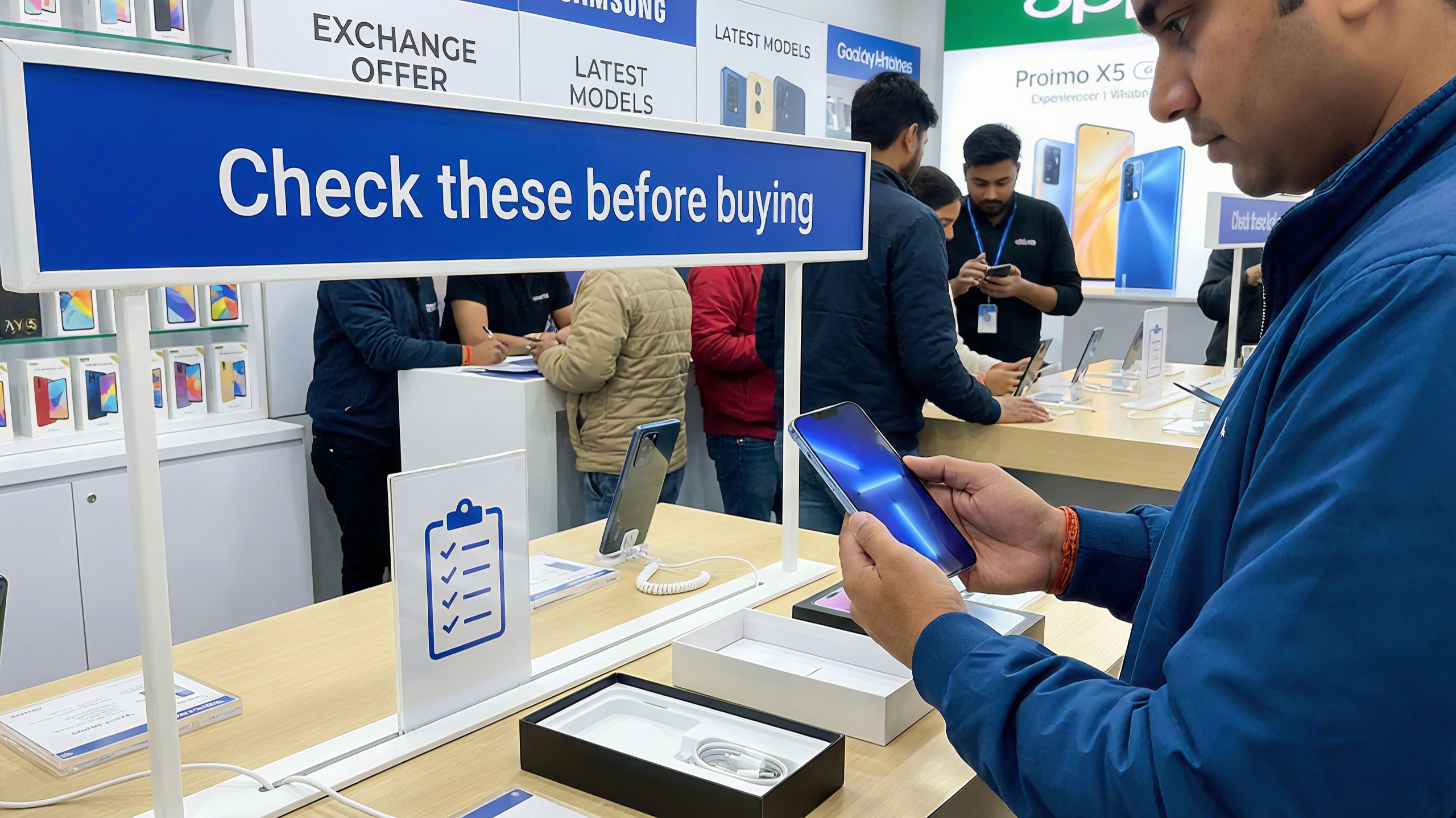
Timing purchases carefully matters more than ever. Monitoring component pricing trends, watching for configuration changes, and understanding generational transitions can help avoid overpaying.
Upgrading strategically—rather than chasing the latest release—often delivers better value. In some cases, buying slightly older but well-supported hardware can be smarter than waiting for prices to fall that may never return to previous lows.
Most importantly, understanding why prices behave the way they do helps set realistic expectations. This isn’t a temporary spike driven by hype. It’s a structural shift driven by how the future of computing is being built.
The quiet reshaping of the consumer market
AI server demand isn’t just changing enterprise infrastructure—it’s quietly redefining what consumers pay, what products exist, and how long hardware remains affordable.
The absence of headlines doesn’t mean the absence of impact. For everyday buyers, the effects are already here, embedded in price tags, product lists, and upgrade decisions. And as AI continues to scale, this silent influence is likely to grow louder—whether consumers are ready for it or not.